

Learn more about what your child is learning during Baby Doll Circle Time™ at Dr. Day Care!
Children develop best within the context of caring relationships. Baby Doll Circle Time™ provides the opportunity for young children to experience being the nurturer by interacting with their baby dolls (or teddy bear) in the same ways that we as caring adults might interact with them. Baby Doll Circle Time™ is a way to ensure that children experience the attachment, attunement, and social play required for optimal brain development. It is such a great way to support children’s social-emotional development in a fun way as well as a good way to focus on children’s attachment and attunement.
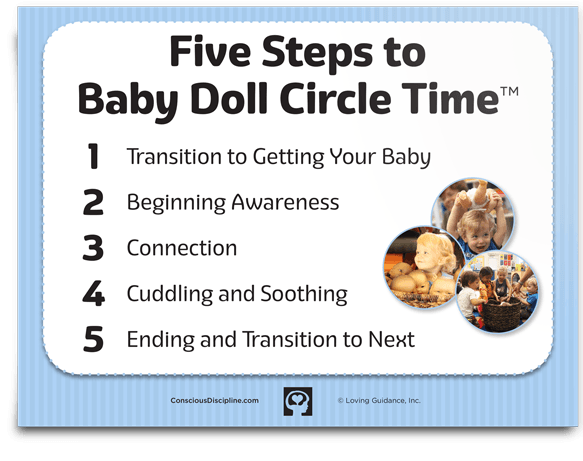
There are five steps to Baby Doll Circle Time™
- Transition to Getting Your Baby
- Beginning Awareness
- Connection
- Cuddling and Soothing
- Ending and Transition to Next
During this special circle time, children interact with baby dolls or teddy bears the same way loving adults interact with them – using gentle touch, eye contact, and playful engagement.
The goals of Baby Doll Circle Time™ include:
- Enhancing attachment
- Increasing self-regulation
- Promoting trust
- Fostering attunement skills
As children care for their dolls, they practice being nurturers themselves. This play helps them relive and strengthen the sense of attachment and connection they feel with their parents and caregivers. These experiences support healthy brain development by encouraging attachment, emotional attunement, and positive social interaction.
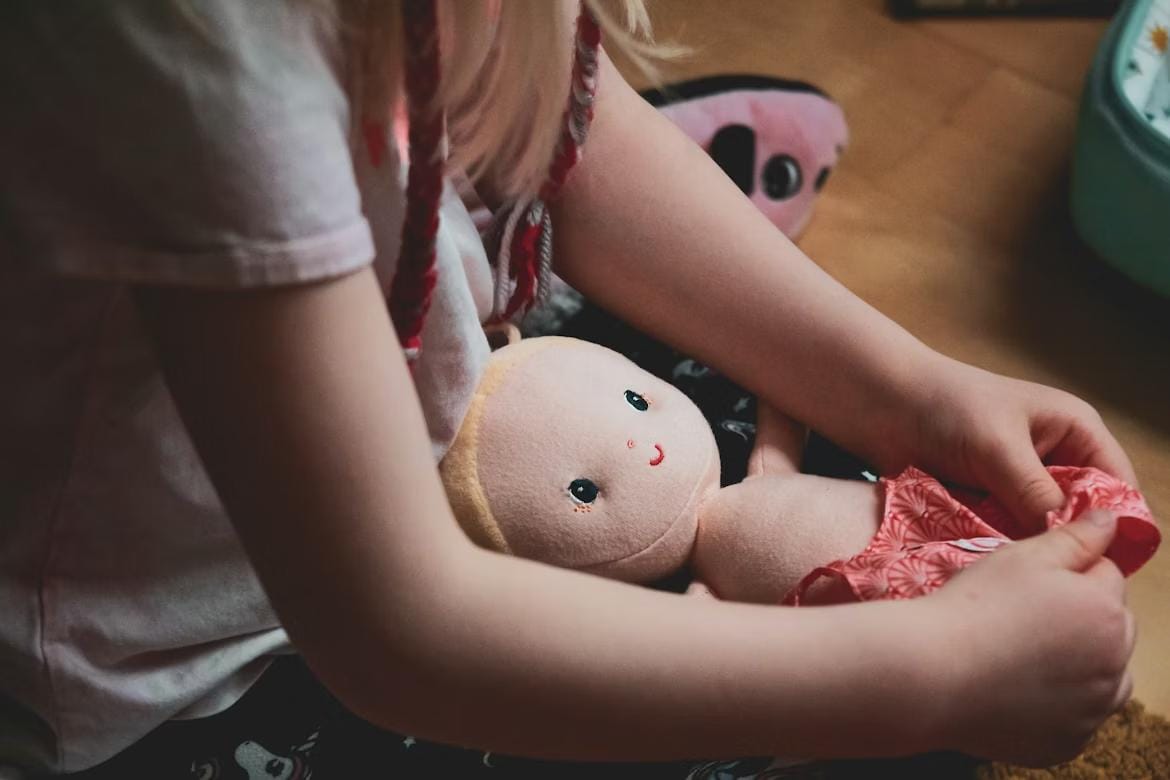
This activity builds connection by focusing on:
- Eye contact
- Gentle, appropriate touch
- Being fully present in the moment
- Playful, joyful interactions
Developed by Dr. Becky Bailey as part of Conscious Discipline®, Baby Doll Circle Time™ is a meaningful way to meet the emotional and developmental needs of infants and toddlers while creating a warm, supportive classroom environment.
Learn more:
- Baby-Doll Circle Time™ was developed by Dr. Becky Bailey and is a trademark of Conscious Discipline®. For more information visit www.consciousdiscipline.com
- Baby Doll Circle Time™ – Meeting the Needs of All Infants and Toddlers: youtube.com/watch?v=XWsGWqvi3RA
- Baby Doll Circle Time™ – Tips from the Author Dr. Becky Bailey: youtube.com/watch?v=Ihx7mzkIQAA
- Video Examples: Baby Doll Circle Time in Sophie’s Classroom